Across the UK, more and more companies are embracing Modern Methods of Construction (MMC) to bring their building projects to life. But what’s driving this shift?
Modular construction has emerged as a game-changing solution to the challenges facing the UK construction industry. Outperforming traditional building methods in efficiency, speed, and adaptability, modular construction is no longer a niche approach; it’s becoming the new mainstream. For construction firms and property developers, this shift opens the door to faster timelines, reduced costs, and greater flexibility.
In this article, we’ll explore the eight key benefits of modular construction and show how this innovative approach can transform your next project from concept to completion. Ready to find out?
1. Faster Build Method
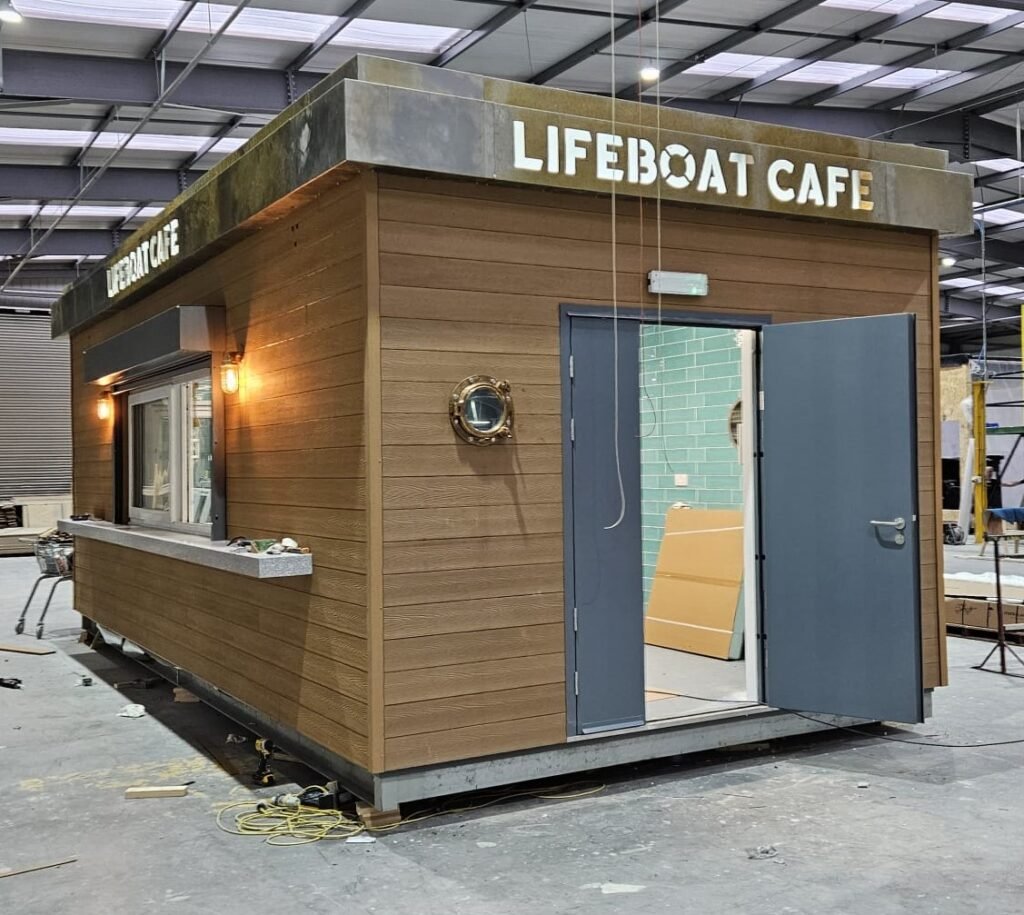
One thing every construction project strives for is speed, efficiency, and precision. With modular methods, these goals aren’t just aspirations; they become reality. Unlike traditional builds, projects using modular construction can often be completed in almost half the time, all without compromising quality.
So, what makes modular so fast? The majority of the construction happens off-site in controlled environments, while on-site work continues in parallel. This overlap eliminates the delays that can slow down traditional builds, keeping the project moving smoothly from start to finish.
With modular construction, there’s less waiting, fewer obstacles, and not being held back by logistical hurdles. The result? Projects that are not only quicker but also more predictable and efficient.
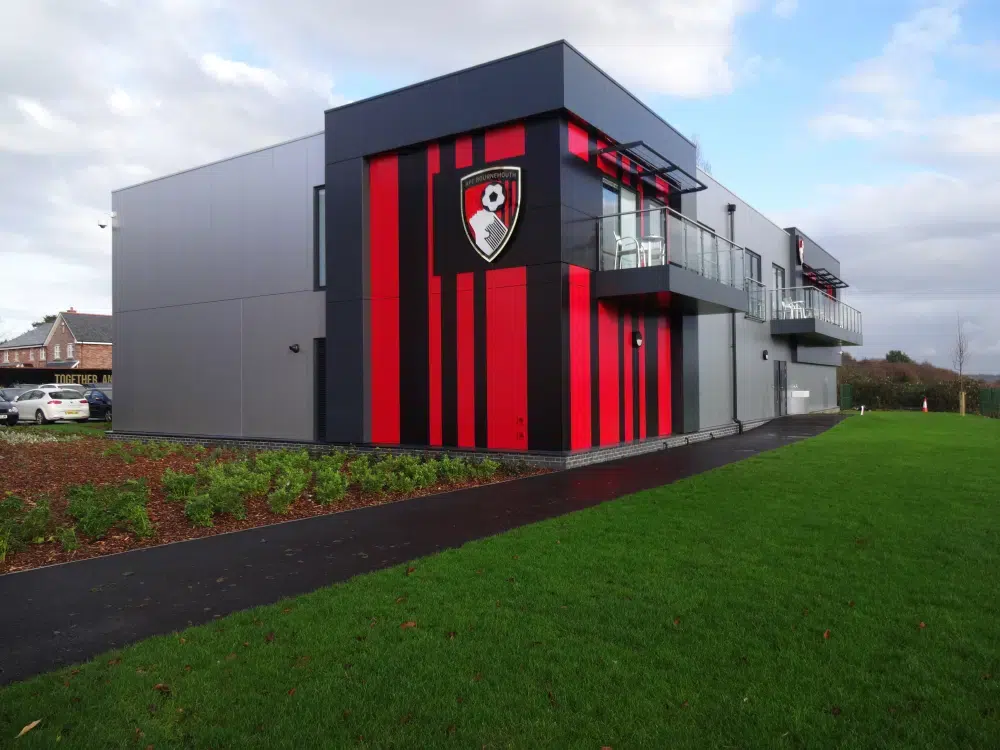
Example: AFC Bournemouth Case Study – Find out more here.
2. Minimal disruption
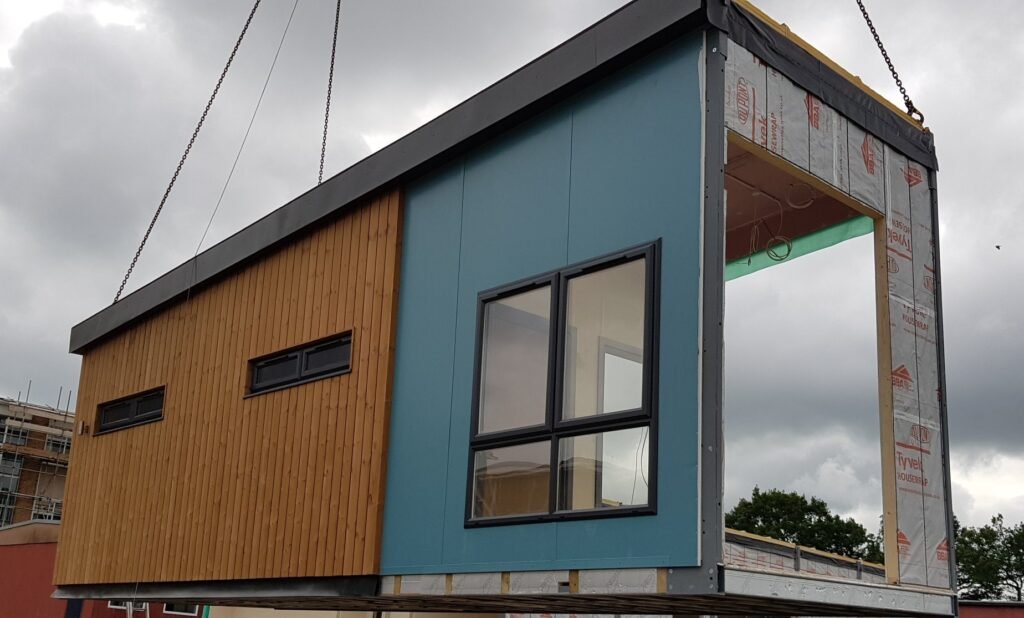
One of the biggest advantages of modular construction is that the majority of the work takes place off-site, which dramatically reduces disruption at the building site.
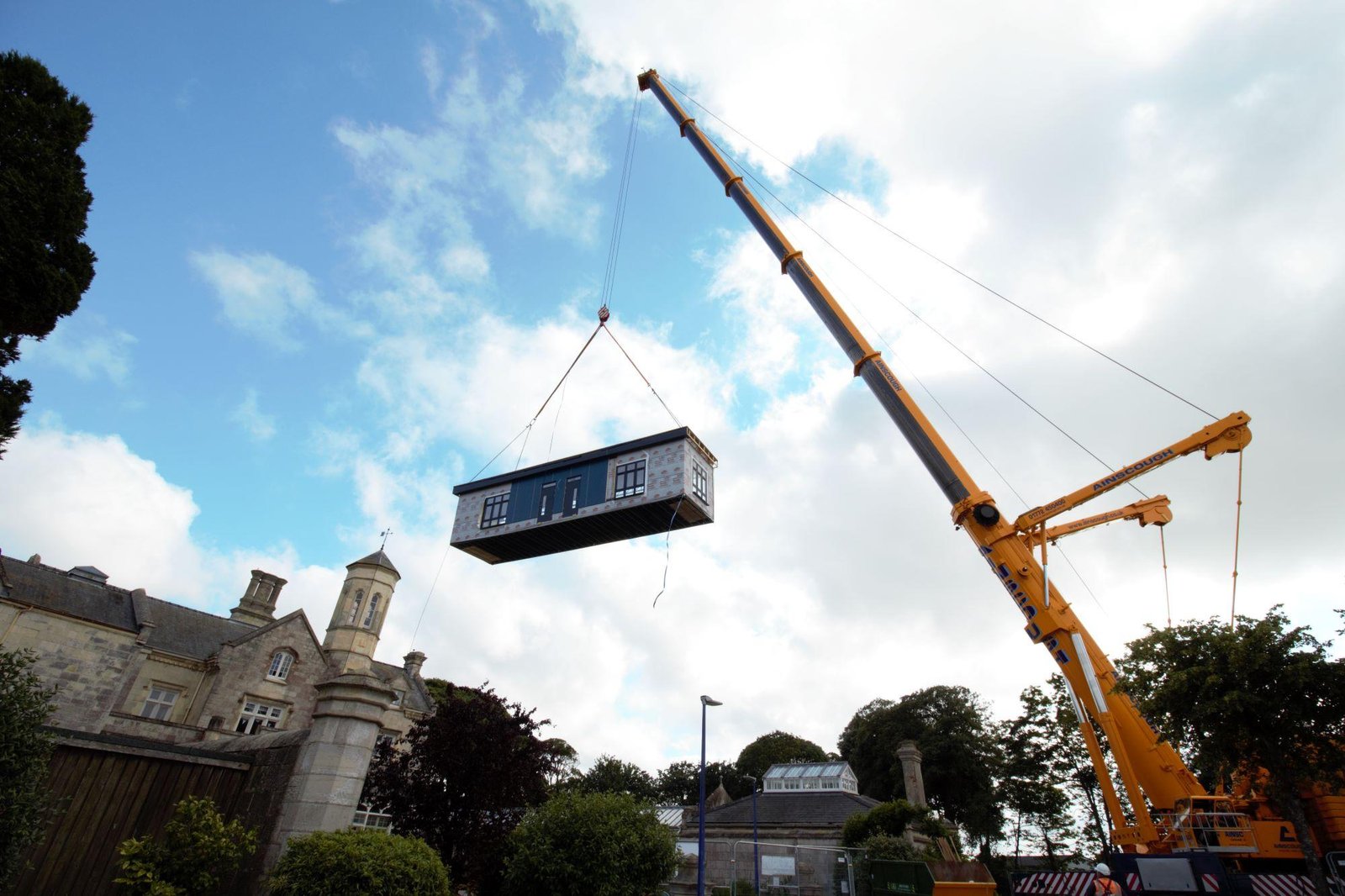
For those new to modular construction, the process involves creating modules, essentially building components, at a separate off-site Modular manufacturing facility. These modules are then transported to the project site and assembled into the final structure. This approach means fewer workers on-site, fewer deliveries, and far less disruption overall, making the construction process smoother for everyone involved.
3. A greener solution
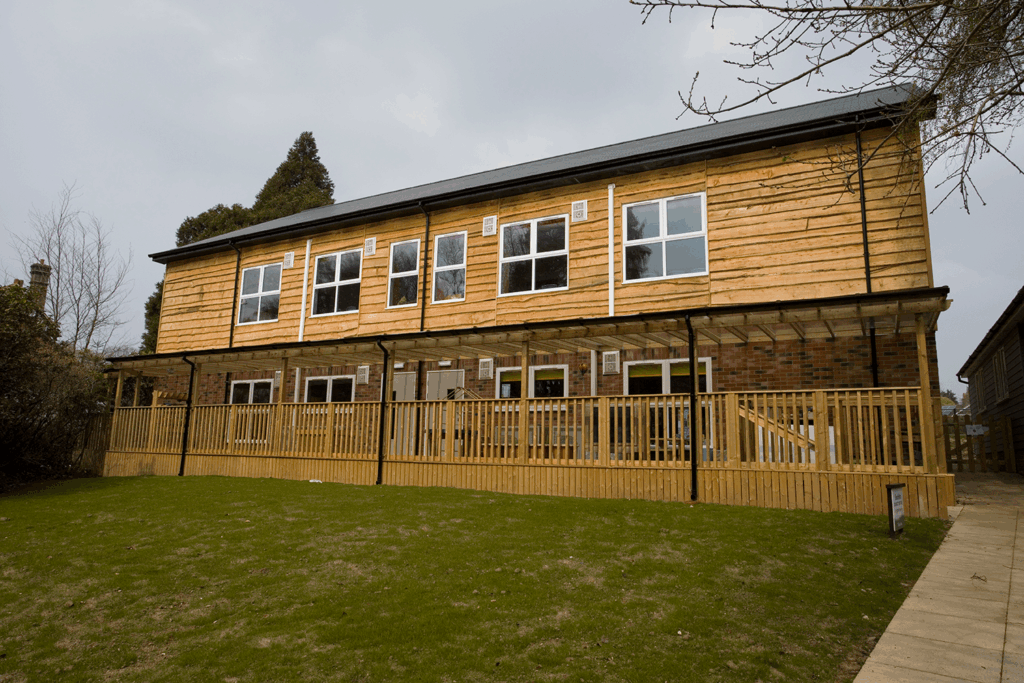
In today’s world, minimising our impact on the environment is a priority and construction projects are no exception. Modular buildings are a step in the right direction, producing less waste, generating less pollution, and offering a more sustainable approach overall.
One key reason is rigorous pre-planning. Every aspect of the build is carefully mapped out, ensuring materials are ordered accurately and reducing excess. Coupled with the fact that most construction occurs off-site in a controlled environment, this allows for precise, high-quality work with minimal waste.
A recent study from building.co.uk found that a reduction in carbon emissions of 45% can be observed in some cases.
4. Reduced chance of error and delay

In any construction project, unexpected issues can arise. In a traditional build, for instance, a delayed delivery of materials can hold up an entire phase of construction. With multiple suppliers, sometimes from across the country or even overseas, the logistics can quickly become complex and prone to error.
Modular construction flips this scenario on its head. The process is simpler, more streamlined, and far more predictable. Modules arrive largely pre-assembled, and materials are sourced from fewer suppliers, reducing the risk of delays.
The result? A more reliable, standardised, and consistent build process. Any changes or delays have a far smaller knock-on effect, and with an experienced modular project manager at the helm, the logistical challenges are kept under control; so you always know what to expect.
5. Modern quality
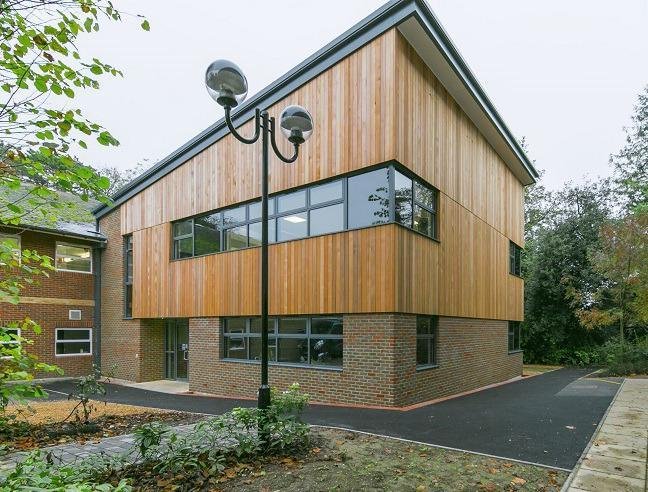
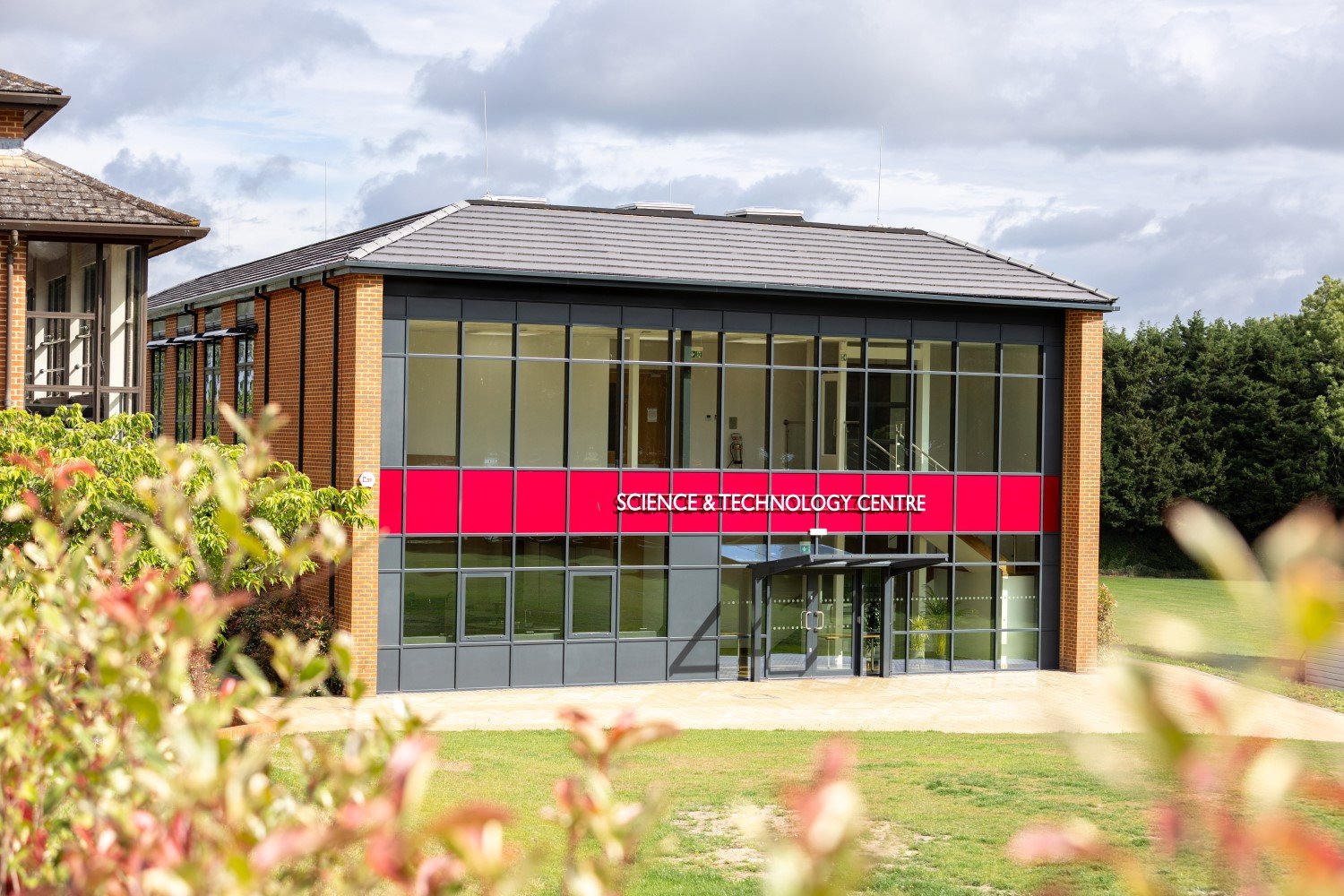
In the past, the quality of prefabricated buildings was often questioned. Today, however, modular construction not only matches but frequently surpasses the quality of traditional builds.
Advances in technology and materials have transformed modular construction. Strict quality controls and carefully monitored processes ensure that every component meets exacting standards, reducing the risk of defects.
Modules are made to order in controlled environments, unlike conventional building materials, which can sit exposed on-site and deteriorate over time. The off-site process also minimises human error, as every module is crafted to precise measurements, allowing them to fit together seamlessly. The result is a high-quality, durable structure with consistency you can rely on.
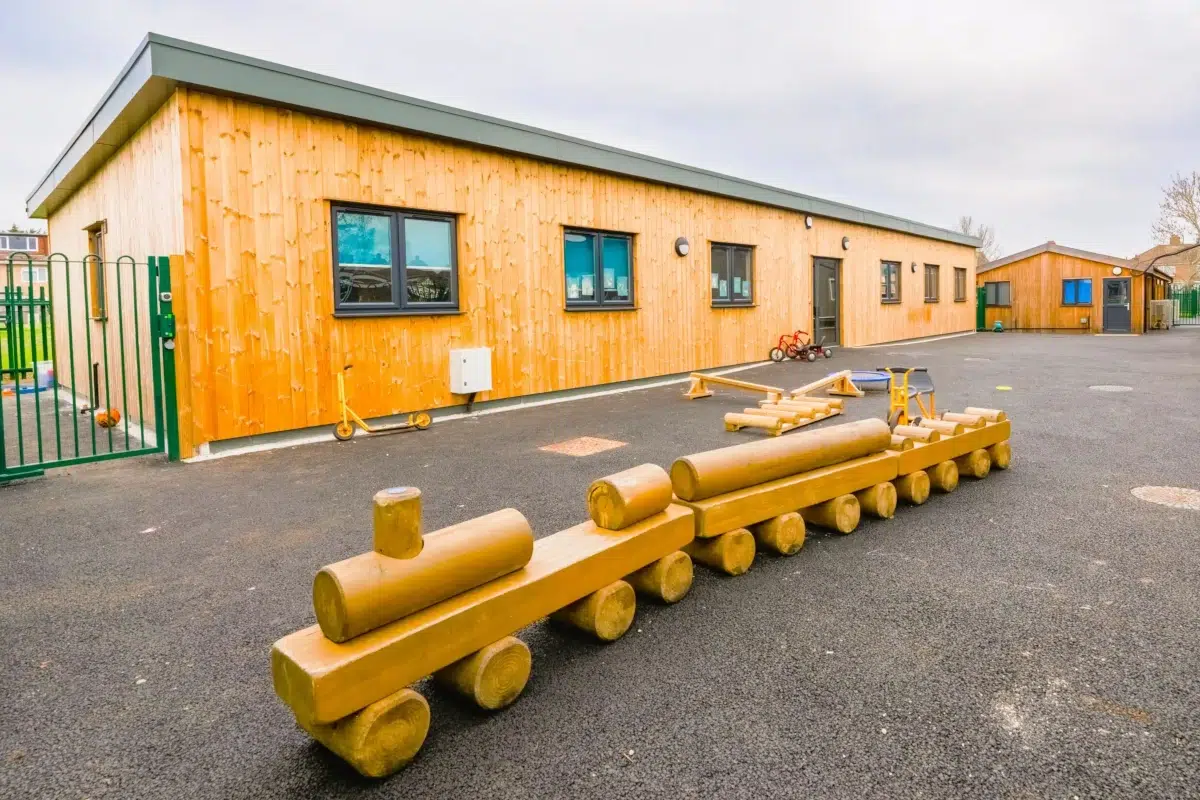
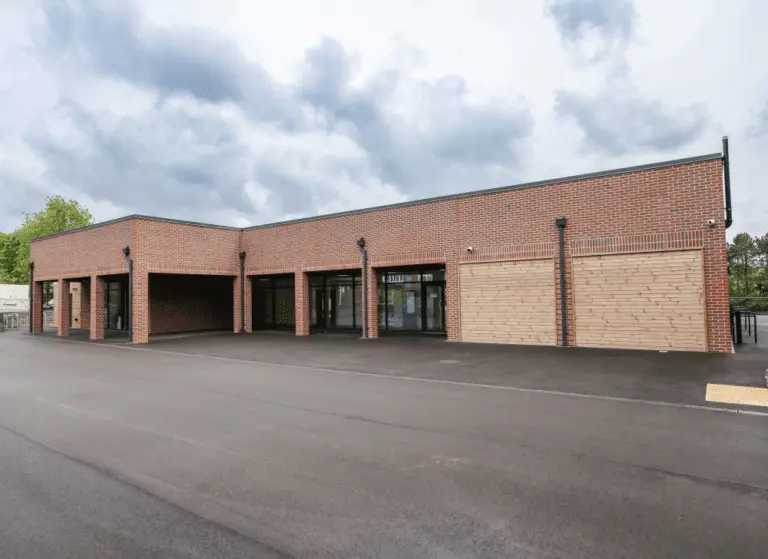
Example: Breewood School Case Study – indistinguishable from a traditional building. Find out more here.
6. Safer construction process
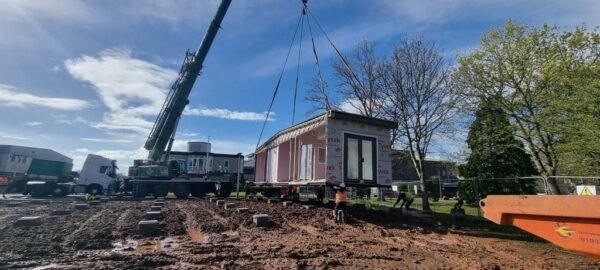
Construction sites can be hazardous, and the majority of injuries occur on-site. By reducing the time spent on-site, modular construction significantly lowers these risks. During the assembly of the final building, there are fewer machines, less on-site labor, and reduced work at height, all of which contribute to a safer environment for construction personnel.
The insurance company Chubb identifies various areas in which modular construction improves the safety of construction projects, including reduced risk of at-height incidents, reduced risk of inattention, and reduced risk of weather related injuries.
7. Avoiding noise pollution
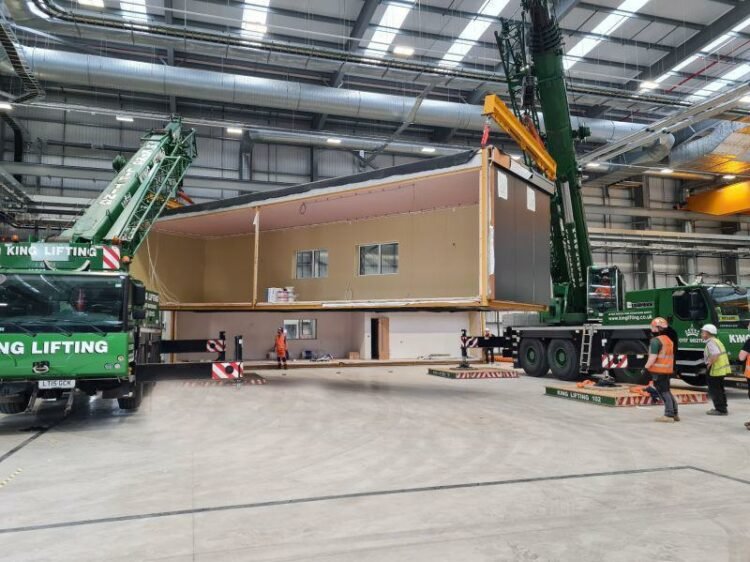
Noise pollution is often an overlooked challenge in construction, particularly for projects in built-up or suburban areas where people live nearby. Modular construction helps address this issue because fewer trips to the site are needed, resulting in significantly less noise.
With urban planning and city councils increasingly factoring noise levels into project approvals, modular construction offers a quieter, more community-friendly solution, making it easier to get projects off the ground while keeping neighbors happy.
8. Get more for your budget
Finally, modular construction can be up to 20% more affordable than traditional building methods, thanks to several key advantages:
- Standardisation – shorter design periods and lower design costs
- Reduced on-site time – saving both labour and overheads
- Off-site construction – controlled environments reduce errors and delays
- Economies of scale – materials purchased in bulk
- Fewer costly mistakes – precision-built modules minimise corrections
- Streamlined processes – less labour needed overall
The result? A project that can cost up to 20% less than a conventional build, giving you the freedom to design the building you truly want; without having to compromise on your vision for budgetary reasons.
It’s this combination of efficiency, quality, and cost-effectiveness that makes modular construction such an attractive choice for companies today.
This is what makes modular construction so attractive to companies today.
Make your next project modular
Modular construction is a streamlined process that is superior in many ways to the methods of construction we have grown accustomed to.
Modulek are experts at helping to plan and deliver modular projects for a variety of industries. Do you have a building project in the planning stages? Are you concerned about the budget or timeline of a current project? Talk to us today to find out how modular construction can help you.