Sport brings UK communities together. From matchdays to celebrations, sports facilities are places where memories are made and local spirit thrives.
Yet building these facilities the traditional way often creates challenges: muddy sites, prolonged disruption, budget overruns, noise, and months of uncertainty. For clubs, schools, and local authorities, this can mean lost seasons and missed opportunities.
There is a better way. Modular sports buildings deliver high-quality pavilions, changing rooms, and community spaces without the usual drawbacks of on-site construction.
From Traditional Construction to a Smarter Modular Approach
Traditional construction is built around permanence. It typically begins with extensive groundworks and foundations, followed by months of on-site activity involving multiple trades, weather delays, and complex coordination. Planning and construction programmes can stretch well beyond expectations, increasing costs and disrupting surrounding communities.
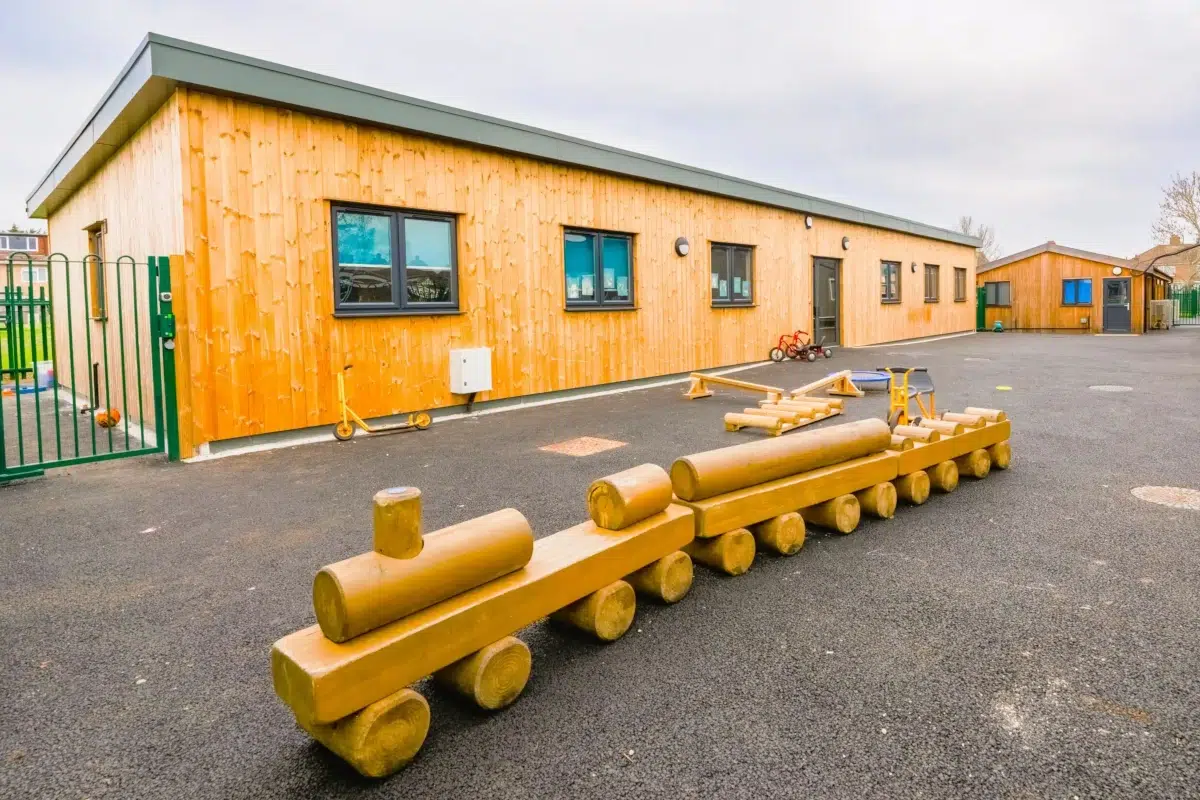
Modern modular construction takes a fundamentally different approach. Imagine a sports pavilion with floor-to-ceiling windows, environmentally conscious timber construction, spacious changing rooms, a wet room, and a smart social area for post-match gatherings. This is not a basic or temporary solution, but a high-quality facility designed for performance, comfort, and longevity.
Entire modular buildings are manufactured in a controlled factory environment. Weather delays are eliminated. Walls, roofs, and fittings are precisely engineered and professionally assembled. Completed modules are then transported to site and installed in weeks rather than years.
Why Modular Construction is Winning in UK Sport
1. Faster Delivery, Faster Returns
Time is critical in sport. Missing a season can mean lost revenue and reduced participation. Modular buildings can be delivered in around half the time of traditional construction, allowing facilities to open sooner and start generating income faster.
2. High Quality in a Controlled Environment
Factory-based construction enables consistent quality control. Materials remain dry, workmanship is checked at every stage, and programmes are not rushed to recover lost time. The result is a building that often outperforms traditional construction in insulation, finishes, and overall build quality.
3. Minimal Site Disruption
Schools and clubs rely on safe, accessible pitches and facilities. Modular construction significantly reduces on-site activity, noise, and hazards by completing most of the work off-site. Day-to-day operations and sporting activities can continue with minimal interruption.
4. Built-In Sustainability and Environmental Performance
Sustainability is increasingly important to clubs and communities. Modular construction produces less waste through precise material use and recycling. Improved insulation, efficient heating systems, and options such as solar panels help create energy-efficient sports facilities that meet modern environmental standards.
5. Flexibility That Grows With You
Sports organisations evolve. Modular buildings are designed to adapt. A pavilion can begin with facilities for two teams and later expand to include referees’ rooms, gyms, or larger social spaces without major disruption or rework.
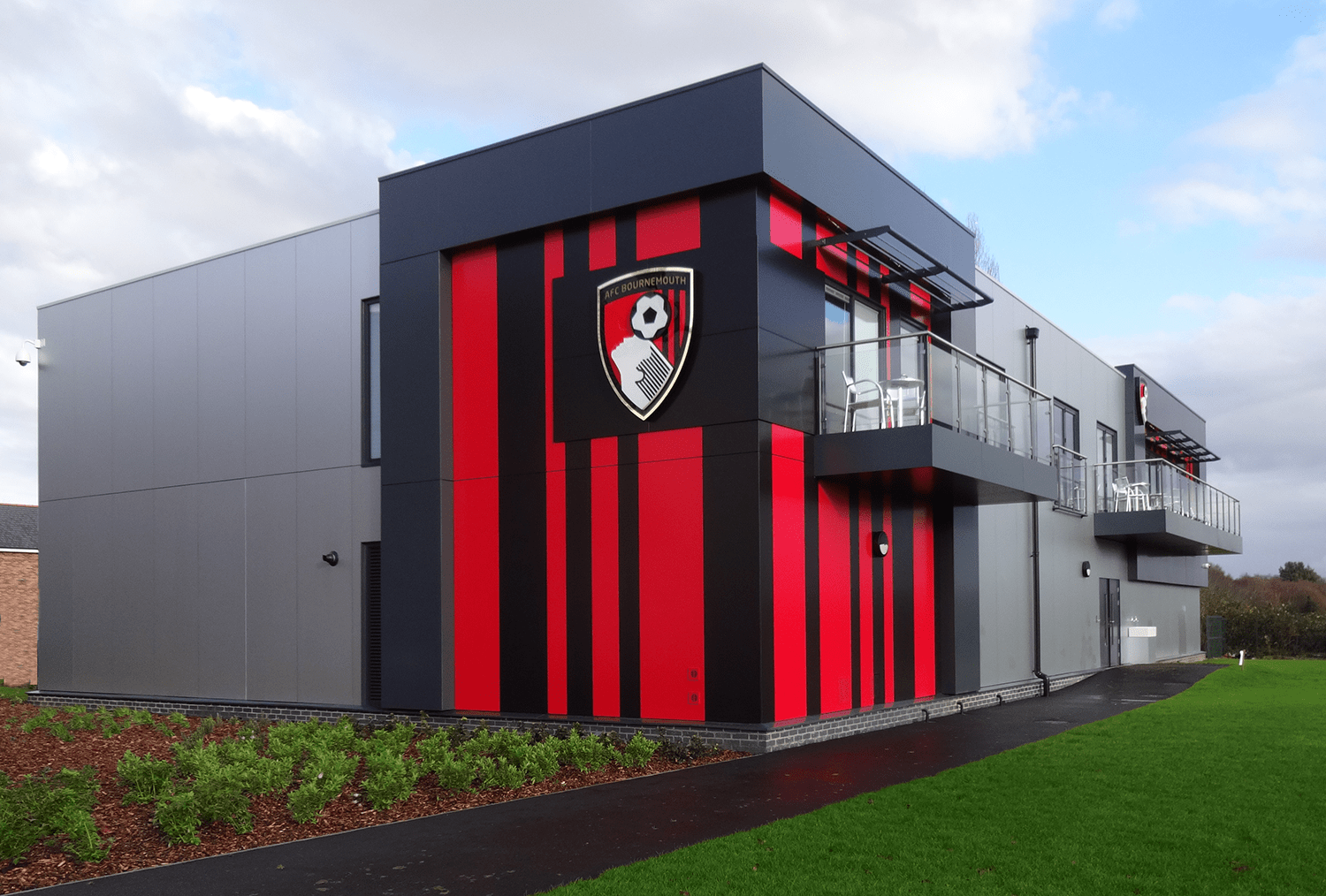
An example of this flexibility is AFC Bournemouth. Following their promotion to the Premier League, the club urgently required new high-specification training facilities. Working with Modulek, a 1,102m² training pavilion was delivered in just six weeks using modular construction. The facility provided dedicated spaces for player performance and recovery, supporting the club’s ambitions at the highest level.
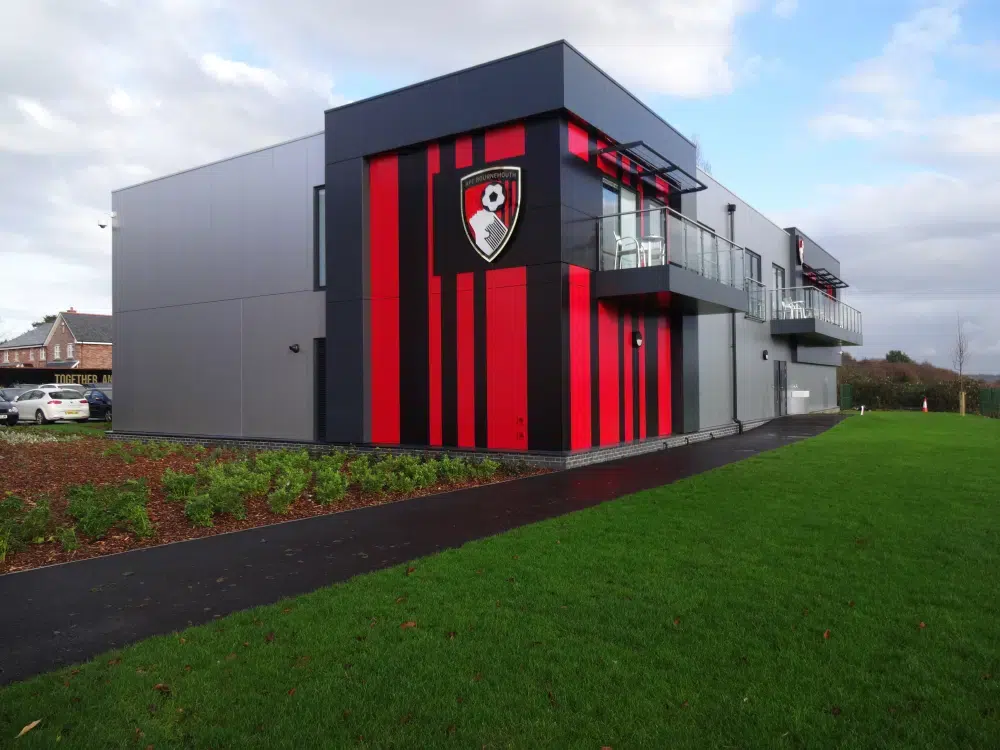
Ex-Manager Eddie Howe previously praised both the speed and quality of the build saying;
“We knew it was going to be a big moment getting our training base in one venue, improving our facilities in line with the Premier League, and we feel now we have a club that is moving forward into the league that we are in.”
Eddie Howe, Former Manager,
AFC Bournemouth
Another strong example of this approach is Cambridge United Football Club. The club required a new training pavilion to replace facilities that were no longer fit for purpose and to support long-term ambitions both on and off the pitch. Despite a challenging site and strict planning constraints, a 750m² high-specification training pavilion was delivered in just eight weeks using modular construction.
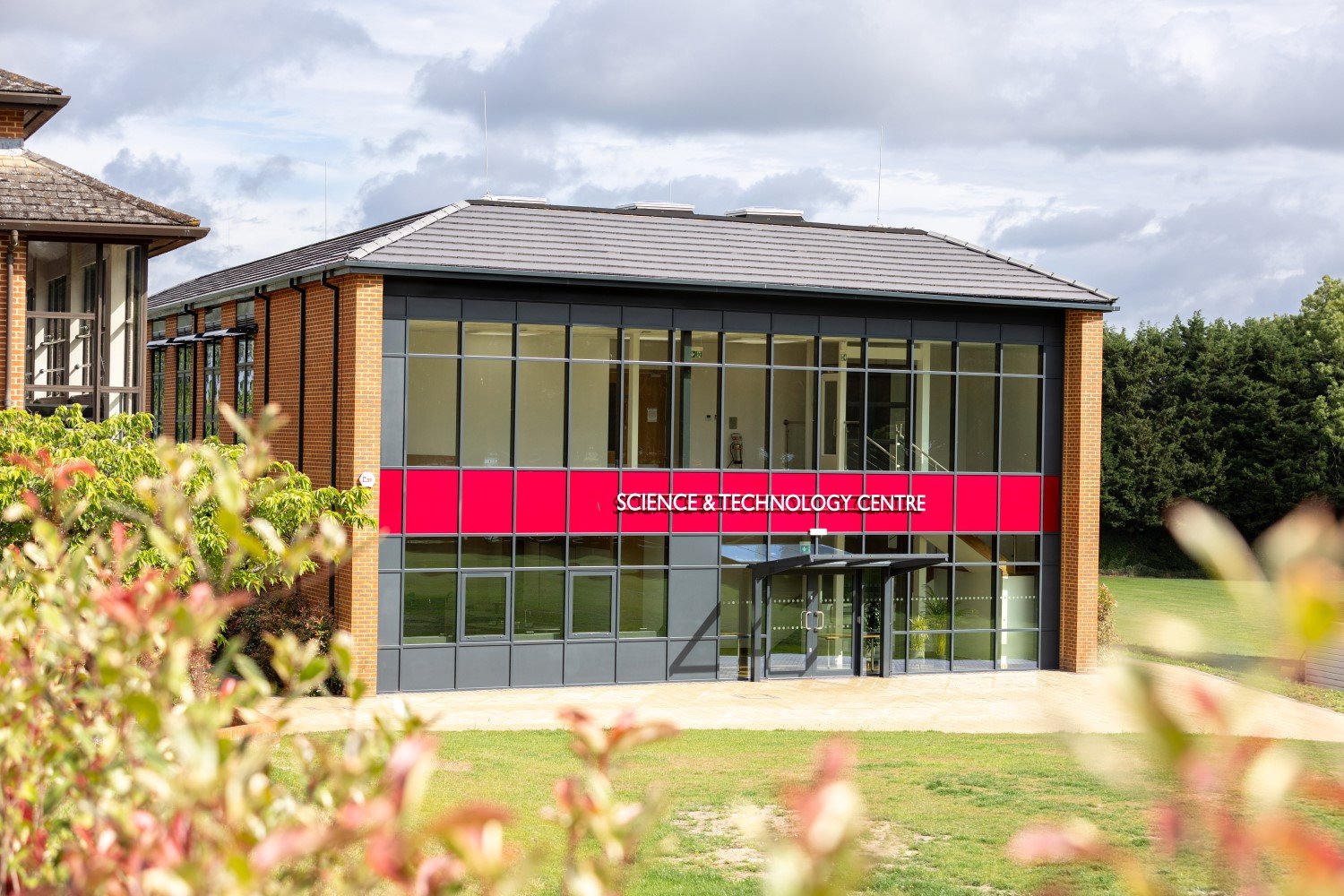
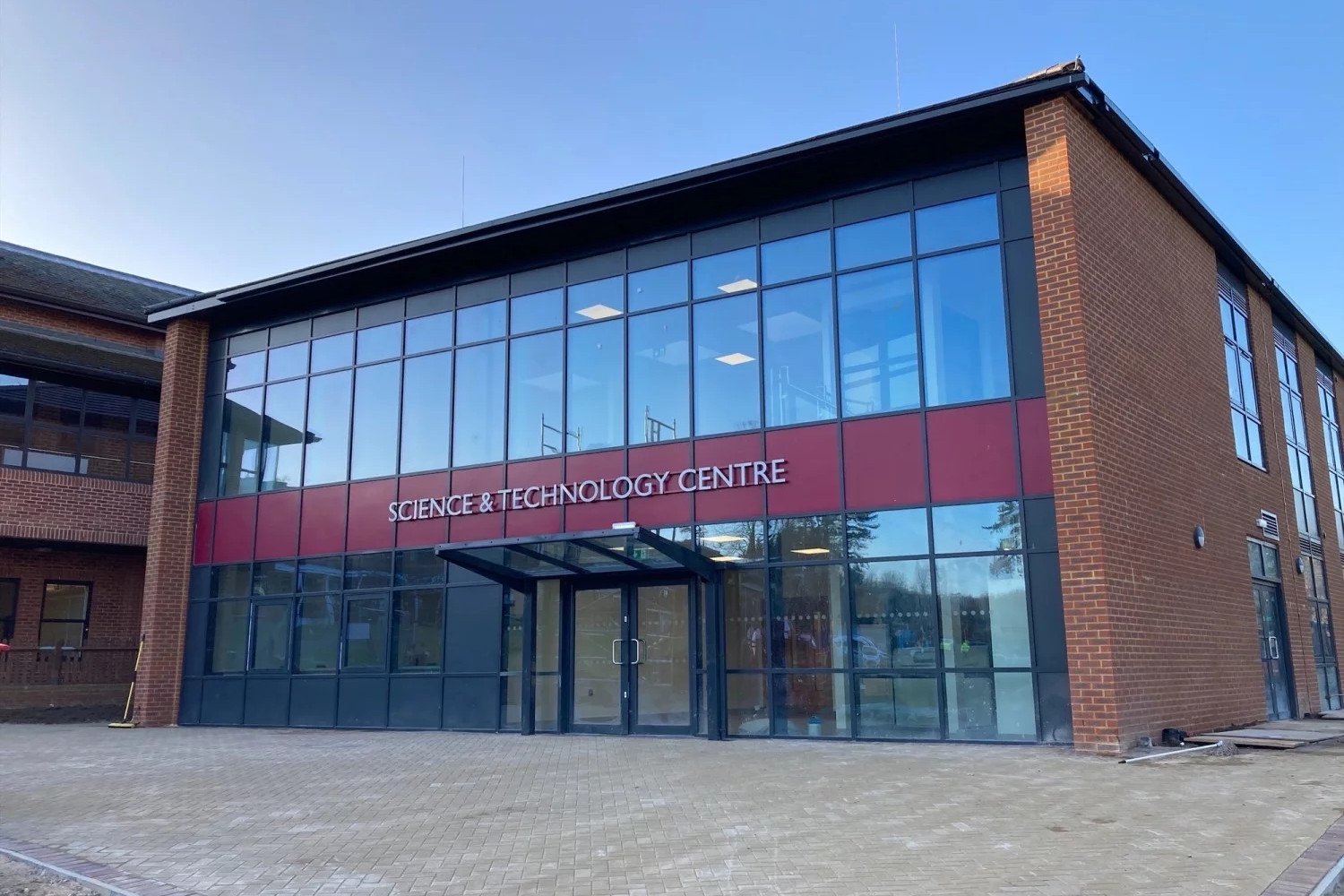
Designed to meet BREEAM Excellent standards, the facility brings together first-team and academy spaces, supporting player performance, development, and progression across the club while integrating sensitively into its environment.
“We’ve got the best training ground in League Two, and it would be one of the best in League One too.”
Alex Tunbridge, Chief Executive,
Cambridge United Football Club
6. Predictability and Financial Control
Traditional construction projects are often vulnerable to cost overruns caused by weather, labour shortages, and unforeseen site conditions. Modular construction offers far greater financial certainty.
Materials are procured more efficiently, waste is reduced, and labour requirements are easier to plan. Fixed-price contracts are more reliable, helping clubs, local authorities, and funding bodies manage budgets with confidence. Savings can then be reinvested where they matter most: better facilities, improved fan experiences, and youth development.
The Heart of the Community is More Than Just Four Walls
A sports building is more than a structure. It is where children pull on their first boots, volunteers make tea, and teams find a sense of belonging. Modular construction allows for bespoke designs that reflect local identity, creating spaces that inspire pride, wellbeing, and community connection.
From major professional clubs to village cricket teams and expanding schools, the principle is the same: deliver high-quality facilities faster, with less disruption and a stronger focus on sustainability.
Ready to Build Smarter?
The future of sports construction is defined by innovation, quality, and respect for communities. It’s time to rethink how sporting spaces are delivered.
Contact us today to discover how a custom modular solution, tailored to your needs, can be delivered on time and on budget.
planning on a new sports building?
Whether you are at concept stage or trying to navigate site, budget or construction challenges in order to start a project, we can help.