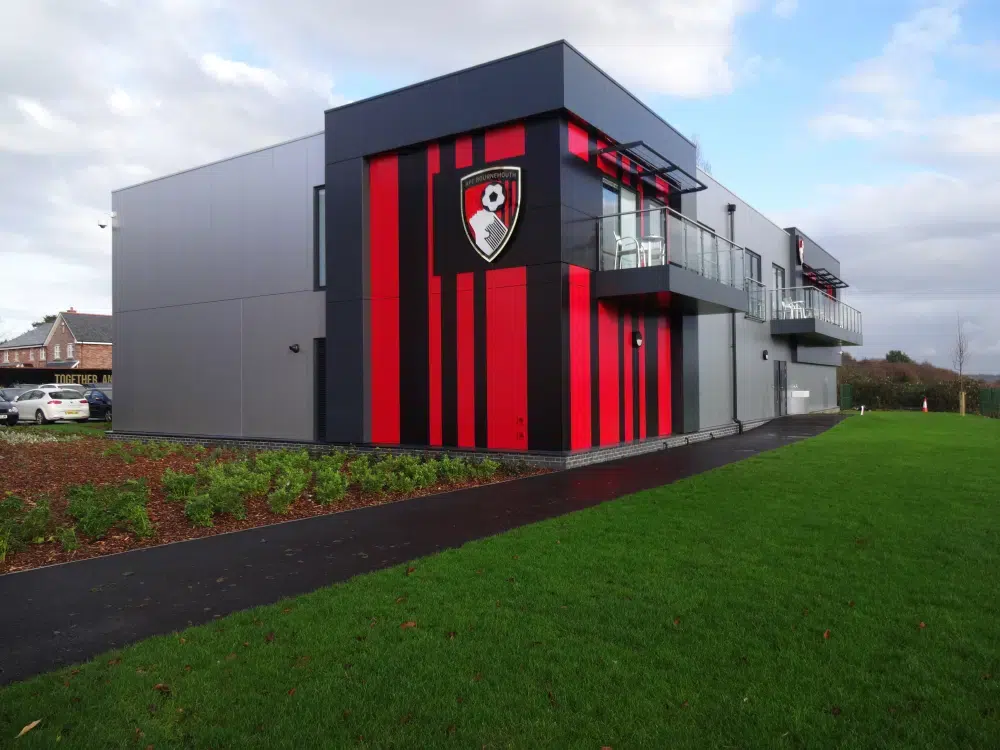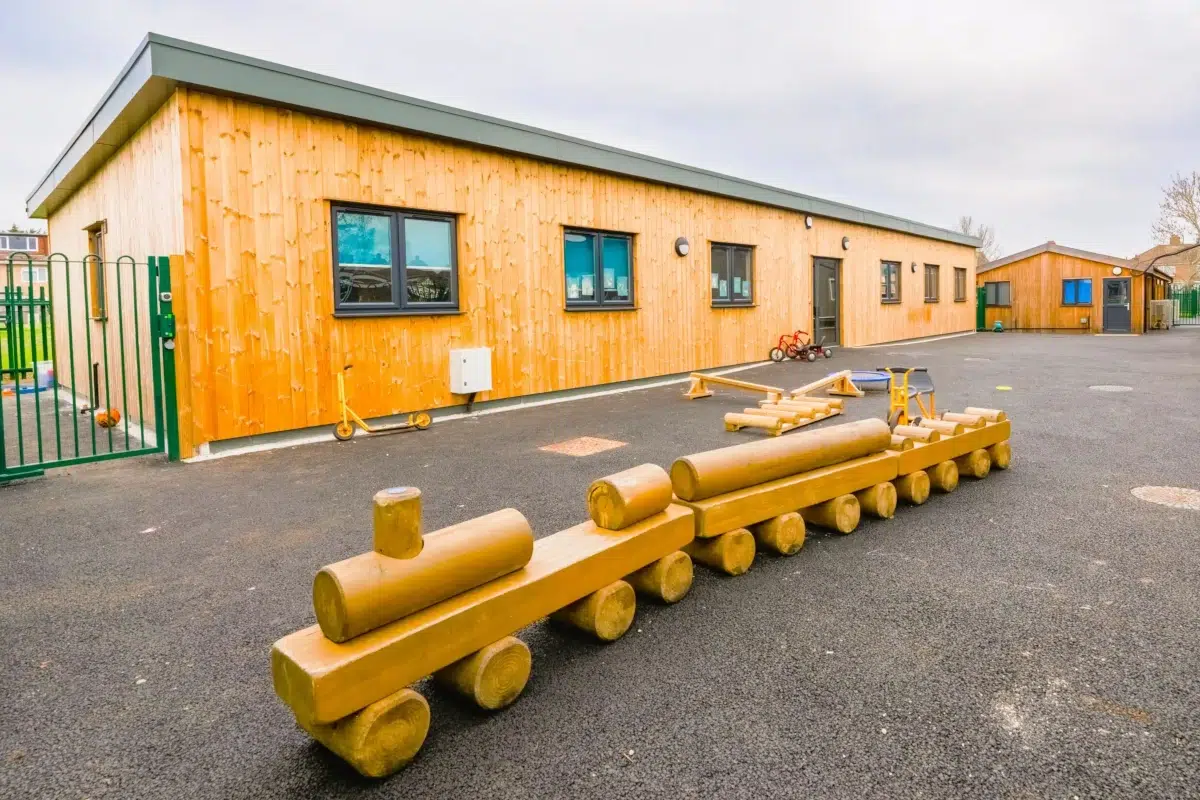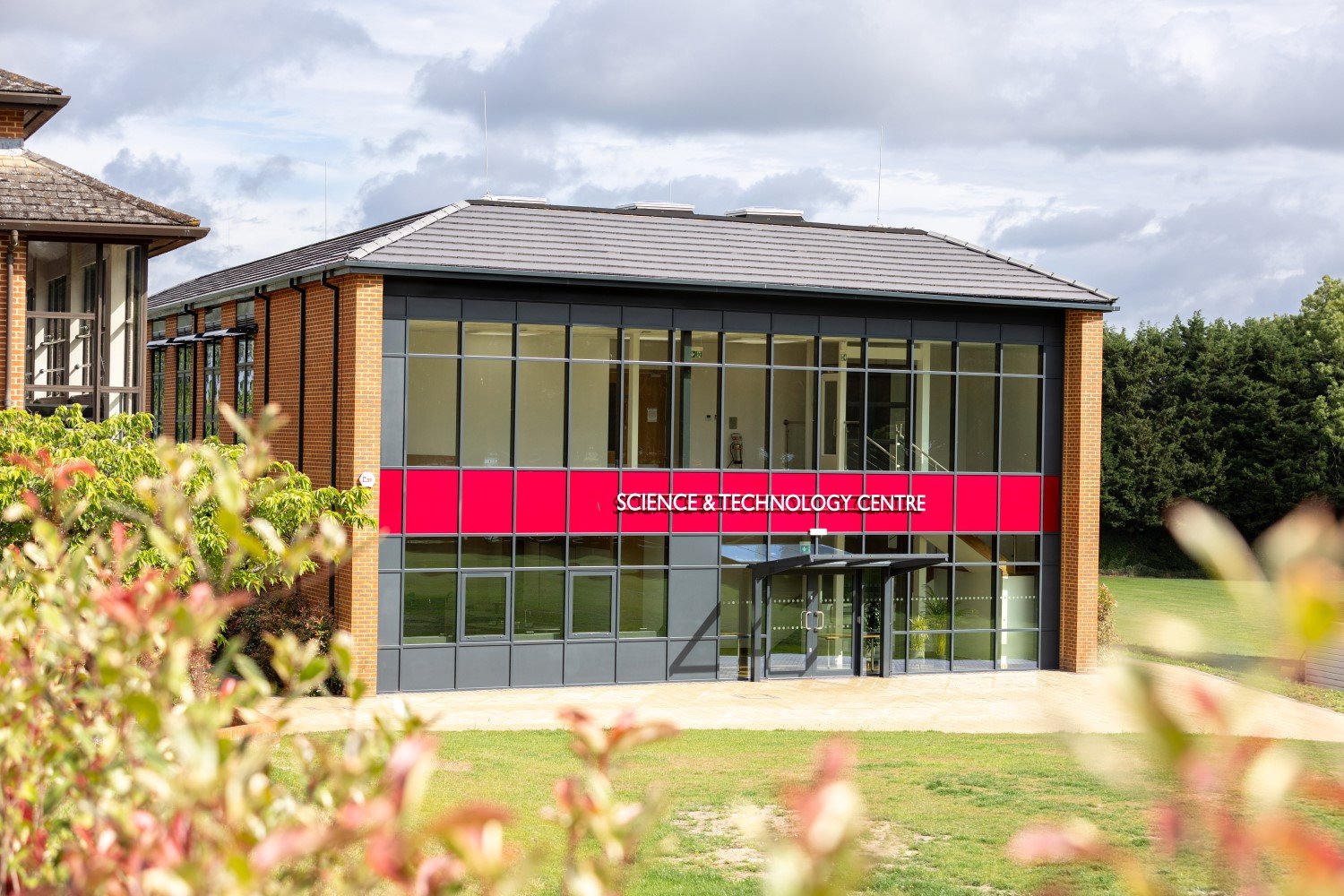
Walking into a brand-new classroom, smelling the fresh paint, and seeing equipment perfectly prepared for pupils is something that stays with us for a lifetime. Those first impressions matter. The school estate is more than bricks and mortar, it is the foundation of a school’s identity, its capacity to adapt, and its ability to meet the changing needs of students.
Today, future-proofing your estate is not optional. For Independent Schools, academies, and multi-academy trusts, it is a strategic necessity. Leaders must balance compliance, sustainability, adaptability, and wellbeing, all while dealing with tight budgets and shifting government policy. In short, your education estate must serve immediate needs while planning for the long term.
This guide explores the principles of future-proofing school estates: from sustainable construction and wellbeing to regulatory standards, digital infrastructure, funding, and effective long-term management.
Why Future-Proofing School Estates Matters for Trusts and Independent Schools
Meeting Today’s Demands While Planning Ahead:
Educational facilities must serve pupils and staff today but remain adaptable for future generations. School design that prioritises flexibility allows spaces to be reconfigured without expensive overhauls.
Sustainability as a Core Expectation
Government targets, Department for Education guidance, and parent expectations mean schools can no longer ignore the climate agenda. Sustainable and wellbeing-focused schools not only reduce running costs through lower energy use but also provide healthier environments for pupils and staff.
Effective Estate Oversight
Ageing campuses with leaking roofs, outdated heating, or accessibility challenges drain resources. A clear long-term facilities plan helps leaders prioritise investment, improve space utilisation, and make the best use of available funding.
Key Elements of Future-Proofing School Estates
The importance of future-proofing
1. Sustainable and Wellbeing-Focused Schools: Energy Efficiency in the Education Estate
Sustainability is central to any long-term plan. Schools benefit from reduced energy bills, improved ventilation, and healthier environments when they adopt eco-conscious design principles.
- Energy-efficient systems such as LED lighting, solar panels, and smart heating reduce consumption.
- Responsible materials like renewable timber or recycled steel avoid costly retrofits later.
- Healthy learning spaces with natural light, airflow, and acoustic balance improve concentration and wellbeing.
These improvements cut operational costs while strengthening your reputation as an environmentally responsible institution.
2. School Building Standards and Resilient Design
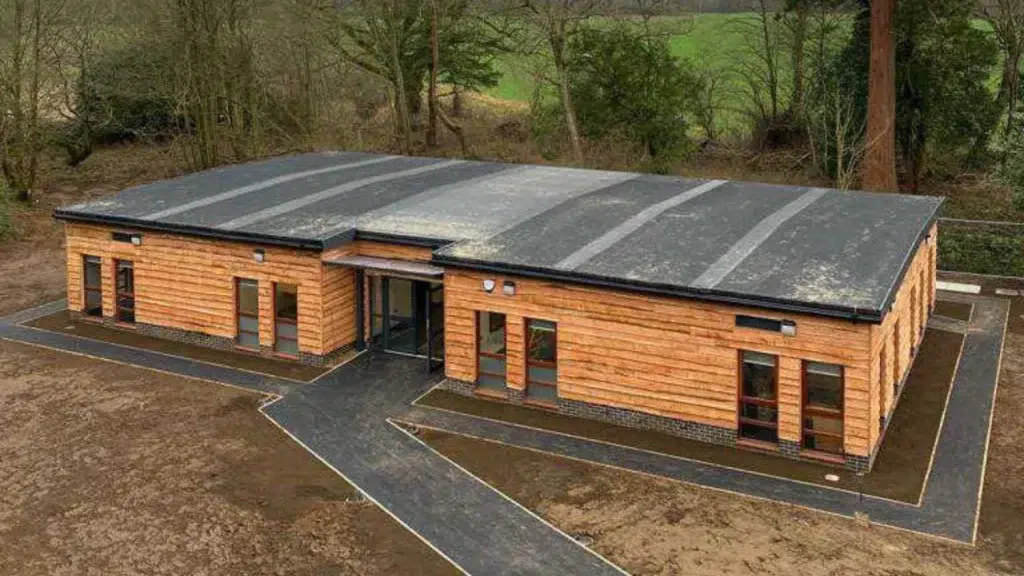
From fire safety to SEND provision, regulatory compliance is a constant challenge. Future-ready buildings must be designed to adapt as standards evolve.
- Flexible layouts allow corridors, entrances, and shared areas to be adjusted if regulations change.
- Proactive planning at design stage avoids disruptive and costly retrofits.
- Alignment with DfE guidelines ensures confidence among governors, inspectors, and stakeholders.
3. Adaptable Learning Environments for Pupils and Staff
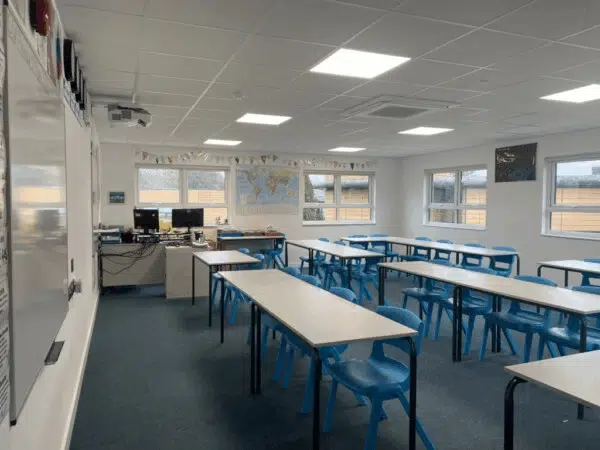
Schools must provide spaces that reflect evolving curriculum needs and new technologies.
- Modular classrooms support phased expansion without overcommitting resources.
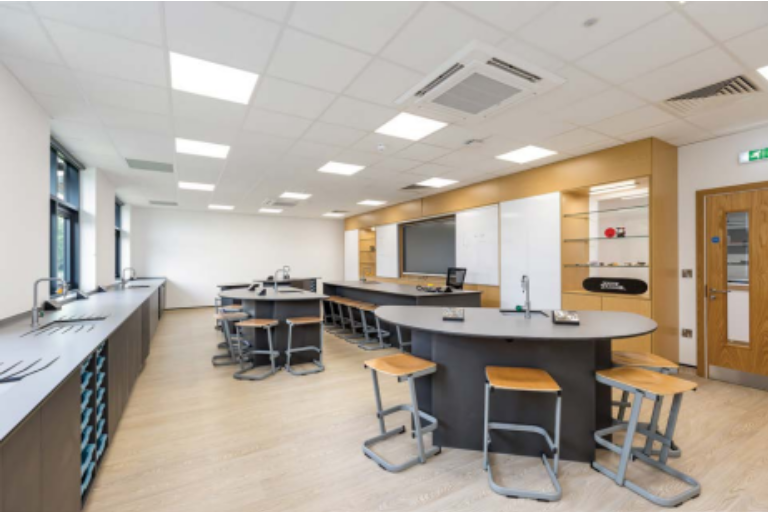
- Reconfigurable interiors mean one area can serve as a lab, art studio, or SEND support space.
- Strong digital infrastructure ensures classrooms can incorporate emerging teaching tools.
This adaptability is the hallmark of a truly future-proof school.
4. Wellbeing and Sustainable Learning Environments
The physical environment directly influences wellbeing for students and staff. Research shows that healthier learning environments improve focus, attendance, and even exam outcomes.
- Ventilation and indoor air quality reduce illness and enhance alertness.
- Biophilic design—bringing natural elements into classrooms—lowers stress levels.
- Quiet, flexible spaces provide support for SEND pupils and those with sensory needs.
- Outdoor learning areas promote resilience and creativity.
Embedding wellbeing into your estate strategy demonstrates commitment to the whole student experience while aligning with Ofsted’s emphasis on welfare.
5. Smarter Facilities Planning: Achieving Cost Savings
Proactive oversight of facilities is critical to keeping long-term costs under control.
- Regular audits reveal which buildings are inefficient or underutilised.
- Optimisation strategies ensure classrooms and communal areas are fully used.
- Life-cycle costing enables leaders to plan for decades rather than year-to-year repairs.
By addressing inefficiencies now, schools avoid financial surprises later and deliver better value for their communities.
6. Off-Site Construction: Tailored Solutions for Schools and Trusts
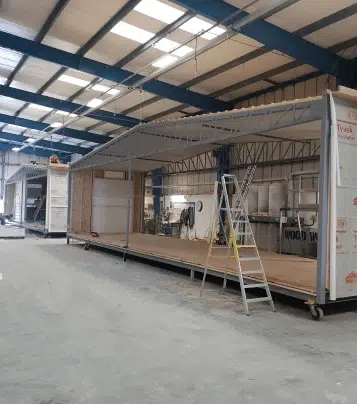
Off-site construction offers rapid, predictable delivery of new facilities with minimal disruption. Many trusts now combine modular elements with traditional builds to achieve a tailored approach that balances speed and flexibility.
This method provides:
- Faster completion aligned with term schedules.
- Improved quality control in factory settings.
- Minimal disruption to staff and pupils during term time.
7. Technology and Digital Infrastructure in the Future-Proof School
Modern teaching is digital-first. Future-ready facilities must embed IT infrastructure from the start.
- Robust networks for Wi-Fi, data, and cabling to support future upgrades.
- Facilities management software for monitoring energy use, occupancy, and maintenance.
- Spaces designed for hybrid teaching models that mix in-person and online learning.
- Preparation for VR, AR, and AI-enhanced classrooms.
Ignoring digital needs now risks bottlenecks later. Prioritising technology ensures estates remain attractive and functional.
8. Securing Funding for Sustainable and Wellbeing-Focused School Estates
Capital funding is highly competitive. Successful applications demonstrate how projects deliver long-term strategy, sustainability, and measurable student benefit.
- Government and local authority funding often prioritises energy-efficient and wellbeing-focused projects.
- Linking proposals to reduced operating costs strengthens business cases.
- Positioning projects as improvements to the entire campus helps secure approvals.
Actionable tip: Always connect estate projects directly to educational outcomes. Stakeholders want to see evidence that investment supports pupils as well as financial resilience.
9. Choosing the Right Partner for School Development
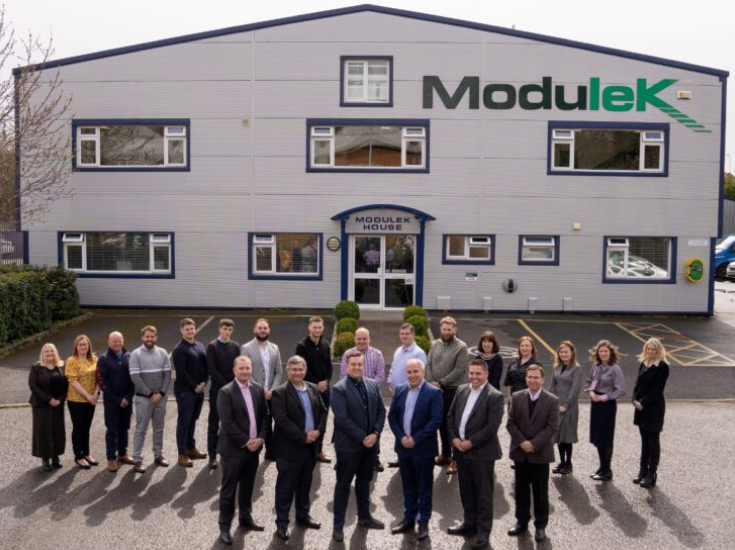
The difference between success and disappointment often comes down to choosing the right partner.
Look for:
- Proven expertise in Independent Schools and academy trusts.
- Capability to combine design, sustainability, and compliance.
- Experience in delivering sustainable learning environments.
- Transparent pricing and open procurement processes.
Working with a partner as a strategic advisor, rather than a contractor, helps ensure every project aligns with long-term goals.
The Strategic Advantage of Future-Proofing Your Estate
Future-proofing school estates is about more than regulatory compliance or energy efficiency. It is about creating adaptable, sustainable learning environments that serve pupils and staff today while preparing for the future. For multi-academy trusts, Independent Schools, and local authorities, building resilience into facilities is no longer optional, it is essential.
Planning for Future Generations
The classrooms and corridors designed today will serve tomorrow’s pupils. By focusing on sustainability, adaptability, digital capability, and smart facilities planning, leaders can create estates that meet both immediate requirements and long-term ambitions. Future-proofing your estate is about making bold, informed decisions that ensure facilities remain inspiring, efficient, and resilient for decades to come.
For more information on how Modulek can partner with you, please contact us: 01202 813121 or visit our website for more information.
planning on a new school building?
Whether you are at concept stage or trying to navigate site, budget or construction challenges in order to start a project, we can help.