Prefabricated buildings, often called prefab, are no longer just temporary solutions or budget stopgaps. Today, they stand as one of the most advanced and sustainable modern methods of construction, delivering speed, quality, and compliance in a way traditional construction methods struggle to match.
This guide to prefabricated buildings explores what they are, how they are built, the different types available, and why they are becoming the go-to option for organisations across healthcare, education, commercial, and leisure sectors. Whether you are considering a prefab home, a modular building, or a large-scale hospital project, this complete guide will help you understand the opportunities, and make confident decisions.
Prefabrication in the Modern Construction Industry
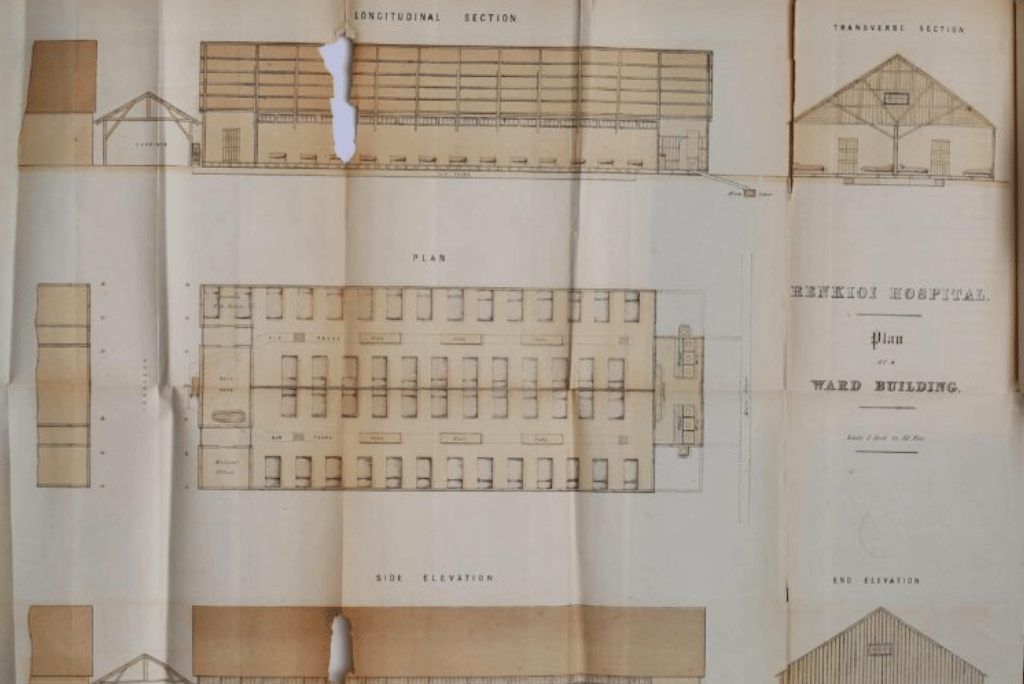
To prefabricate a building means to manufacture its key components in a controlled factory environment before transporting them to the site. These are then assembled on-site to complete the structure.
This construction method is not new. In 1807, London carpenter Henry Manning designed the Manning Cottage, a prefabricated house shipped to Australia and assembled by emigrants. Florence Nightingale later commissioned prefabricated wards for the Renkioi Hospital in 1855, housing 1,000 patients and helping reduce the death rate from 42% to 3.5%.
The engineering ingenuity of John Alexander Brodie advanced prefabricated building systems further, making them more sophisticated and adaptable. During the Second World War, prefabricated homes became a mass housing option, providing quick and cost-effective shelter for those displaced by the Blitz.
What has changed is the scale, sophistication, and perception. Once seen as “temporary,” prefabricated construction is now delivering permanent schools, prefabricated homes, offices, hospitals, and sports halls that meet the same standards as traditional builds, often faster, more sustainably, and at lower cost.
What Is a Prefabricated Building?
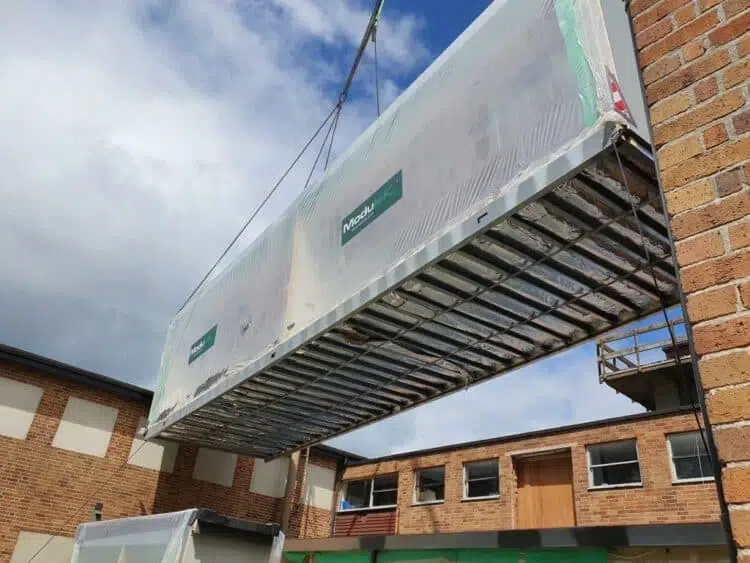
A prefabricated building is one where the building components, walls, floors, roofs, and sometimes entire rooms, are manufactured in a factory and then transported to the final site for installation.
Key features include:
- Off-site construction: Fabrication in a factory setting.
- On-site assembly: Components craned into place or panels joined together.
- Standardisation: Reduced waste and fewer errors thanks to lean manufacturing techniques.
- Materials: Steel, timber, and concrete are common, depending on the project type.
In essence, prefabricated construction brings industrial efficiency into the construction industry, reducing the reliance on unpredictable weather, labour shortages, or extended site delays.
Types of Prefabricated Construction Explained
There are several types of prefabricated building systems, each suited to different construction projects.
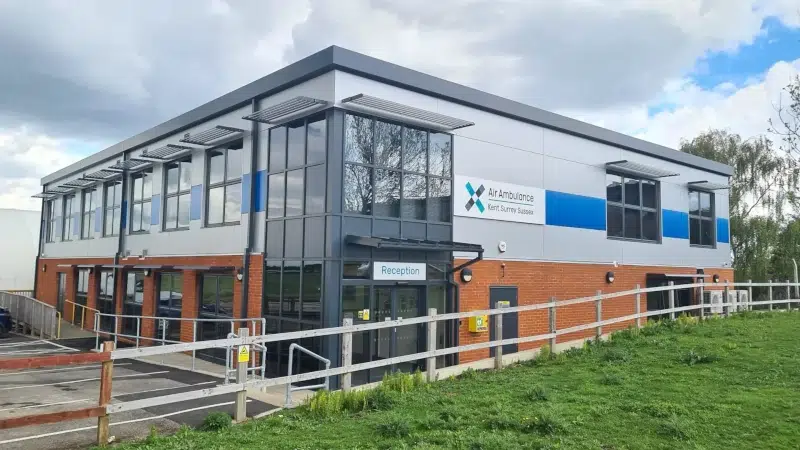
Modular Buildings and Modular Construction
Modular construction uses volumetric modules built in factories and then transported to the building site. These modular units are either basic shells or fully finished spaces, complete with electrics, plumbing, and finishes.
- Applications: Hospitals, classrooms, offices, and affordable housing.
- Advantages: Flexible modular design, rapid installation, and compliance with building regulations.
- Design opportunities: Modular buildings can be expanded, reduced, or repurposed, offering true design flexibility.
Panelised Prefabricated Construction
In panelised construction, walls, floors, and ceilings are prefabricated as flat-pack elements in a factory and then assembled on-site.
- Advantages: Less labour on-site, faster build process, and fewer weather delays.
- Applications: Residential homes, community buildings, and schools.
- Sustainability: Panels are manufactured in a controlled factory setting, reducing waste and improving thermal efficiency.
Pre-Engineered and Prefabricated Metal Buildings
Pre-engineered buildings use steel frameworks designed for specific projects. They are highly durable and widely used for factories, warehouses, and leisure facilities.
- Advantages: Long lifespan, minimal maintenance, and cost-effective for large spans.
- Applications: Sports halls, industrial plants, and logistics centres.
Prefab Homes and Prefabricated Houses: Beyond Temporary Builds
Modern prefab homes provide:
- Compliance with UK building regulations.
- Energy-efficient, sustainable living spaces.
- Bespoke design possibilities to suit different plots of land.
- Faster delivery compared with traditional construction methods.
A prefab home is a house built to the same standards as traditional housing but constructed off-site. As a result, it can be cheaper than traditional methods while still offering durability, comfort, and design flexibility.
Advantages of Prefabricated Buildings for UK Projects
The advantages of prefabricated buildings apply across sectors:
- Speed of construction: Buildings are constructed off-site while groundworks happen simultaneously. This parallel process shortens project timelines.
- Cost-effective: Lean manufacturing, less waste, and reduced site labour keep construction costs predictable.
- Sustainable: Prefabricated construction produces less waste, uses recycled materials, and supports ESG commitments.
- Minimal disruption: Less traffic, noise, and dust at live building sites like hospitals or schools.
- Consistency: A controlled environment means higher quality and fewer errors.
For executives, the biggest benefit is risk reduction, projects are delivered faster, on budget, and with fewer surprises.
Off-Site vs On-Site: Why Prefabricated Construction Saves Time and Costs
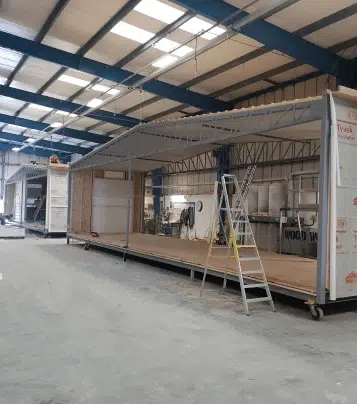
Traditional construction methods rely heavily on good weather, large site crews, and complex logistics. By contrast, off-site construction means the building is completed in a factory before arriving at the site.
Key benefits of this approach include:
- Less waste due to standardised production.
- Less labour required on-site.
- Faster build process thanks to parallel fabrication and groundworks.
- Reduced risk of weather-related delays.
In short, prefab construction de-risks the construction process, giving executives greater confidence in project delivery.
Do Prefabricated Homes and Modular Buildings Need Planning Permission?
Yes. Just like traditional builds, prefabricated homes and modular buildings require planning permission and must meet UK building regulations.
The difference is that prefabricated designs are usually engineered with compliance in mind from the outset. For sectors like healthcare (HTM/HBN compliance) or education (DfE standards), this ensures projects are approved-ready before components even leave the factory.
How Modular Design Creates Flexibility in Prefab Construction
One of the most powerful features of prefabricated construction is modular design. Prefabricated units can be configured in almost limitless ways, offering:
- Bespoke design opportunities to meet unique operational needs.
- Expansion options—modules can be added as demand grows.
- Repurposing—spaces can be adapted without full rebuilds.
- Design possibilities rivaling traditional architecture.
This flexibility makes modular buildings especially attractive in sectors with shifting capacity demands, such as healthcare, SEND schools, and commercial offices.
Case Studies: Prefabricated Buildings in UK Sectors
See our Modular Portfolio
Healthcare (HTM/HBN-Compliant)
Prefabricated wards, theatres, and diagnostic centres are designed to HTM/HBN standards. Off-site manufacturing ensures infection control and minimal disruption on live hospital sites.
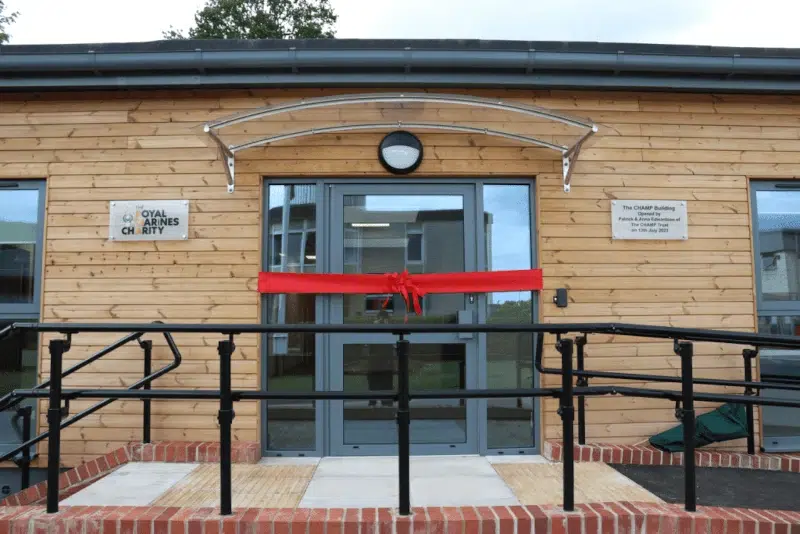
See case study
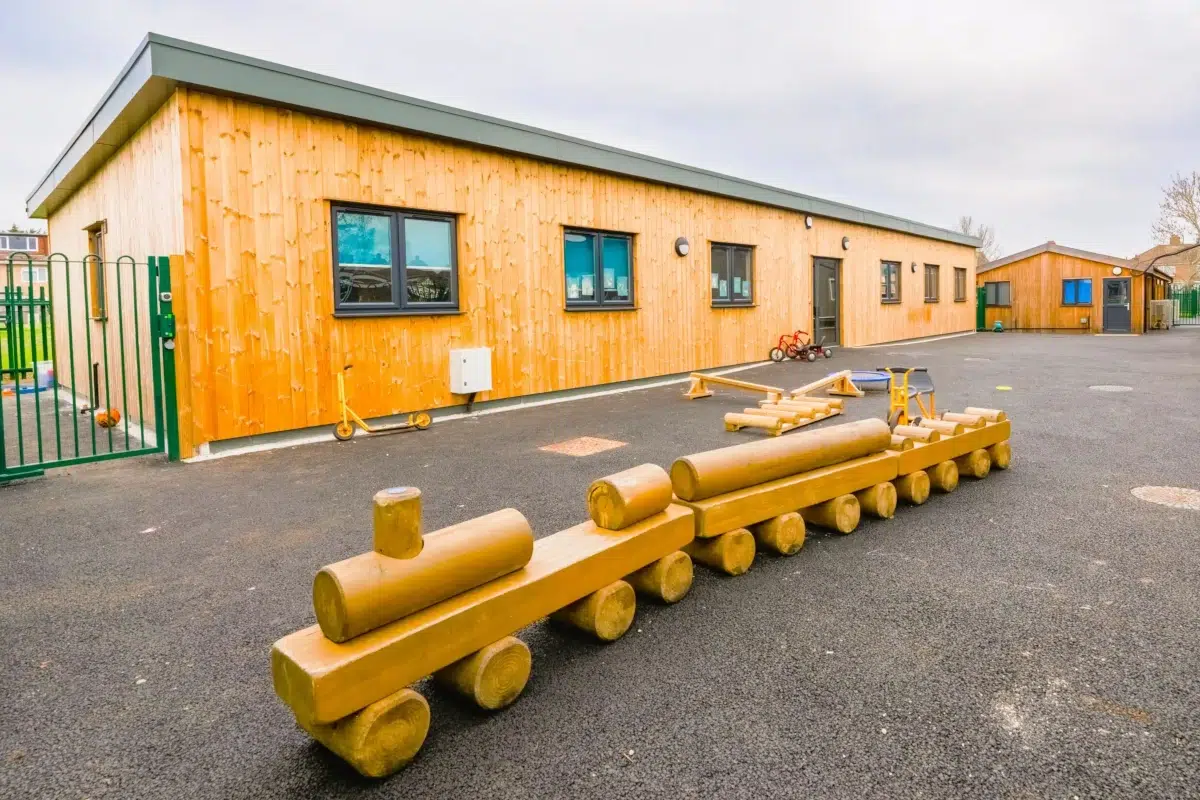
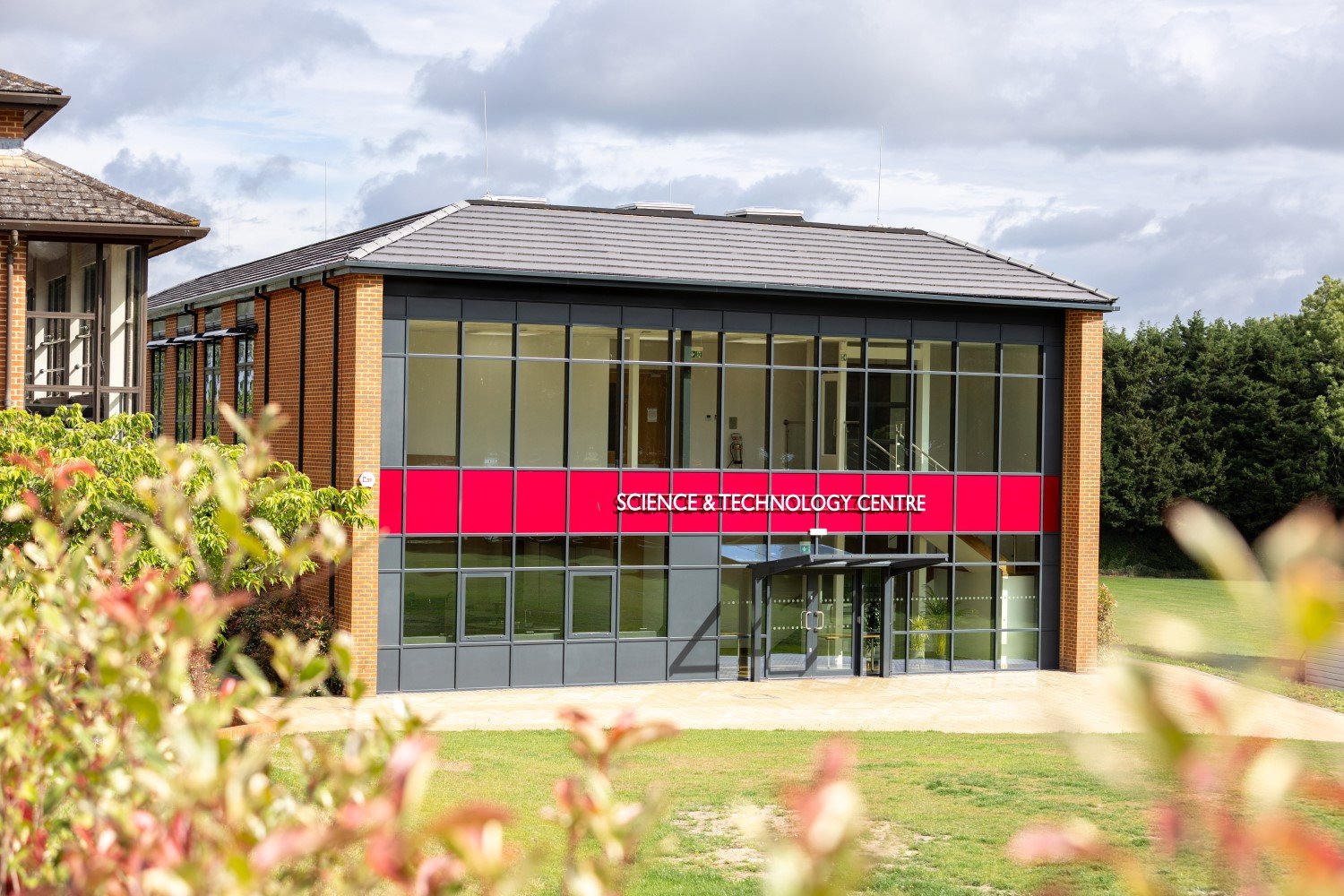
Education (DfE Standards)
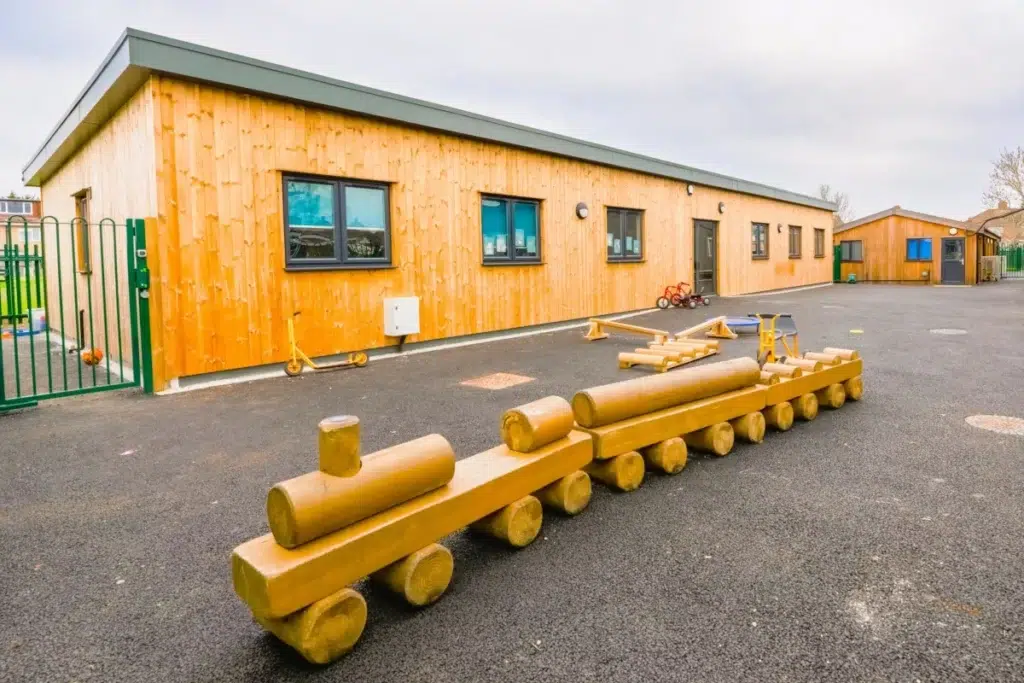
Modular classrooms and SEND facilities can be delivered during academic holidays, reducing disruption. Prefabricated schools meet DfE guidance for light, acoustics, and ventilation.
See case study
Commercial and Office Buildings
For estate managers, prefab offices offer cost certainty, rapid deployment, and ESG alignment. Modular construction supports hybrid working layouts and long-term adaptability.
See case study
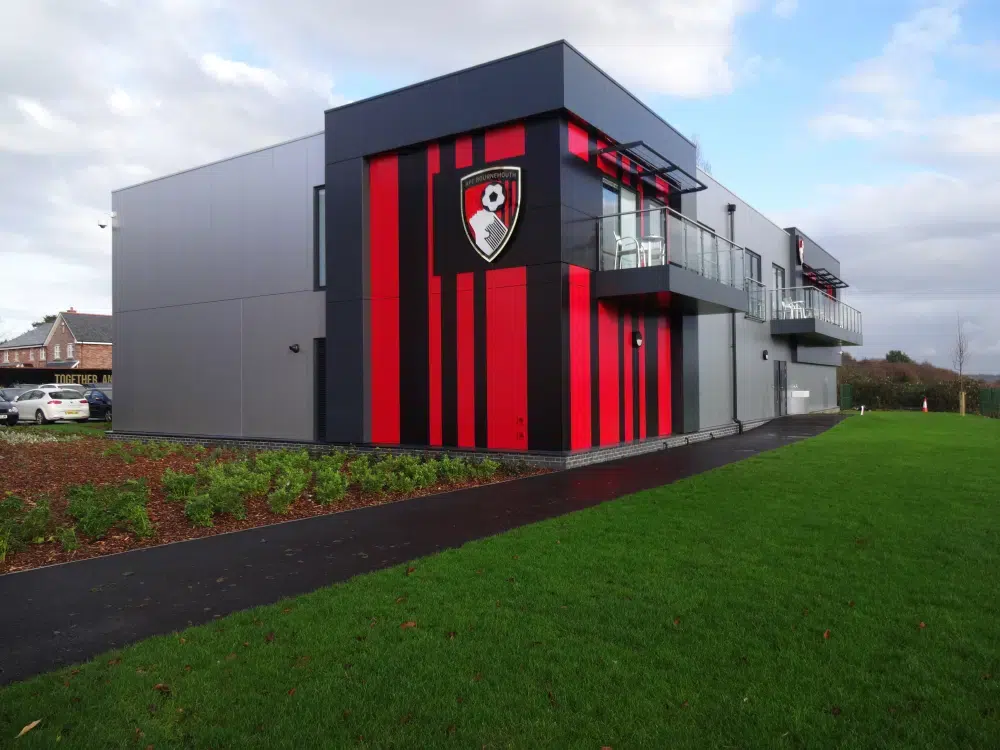
Sports & Leisure
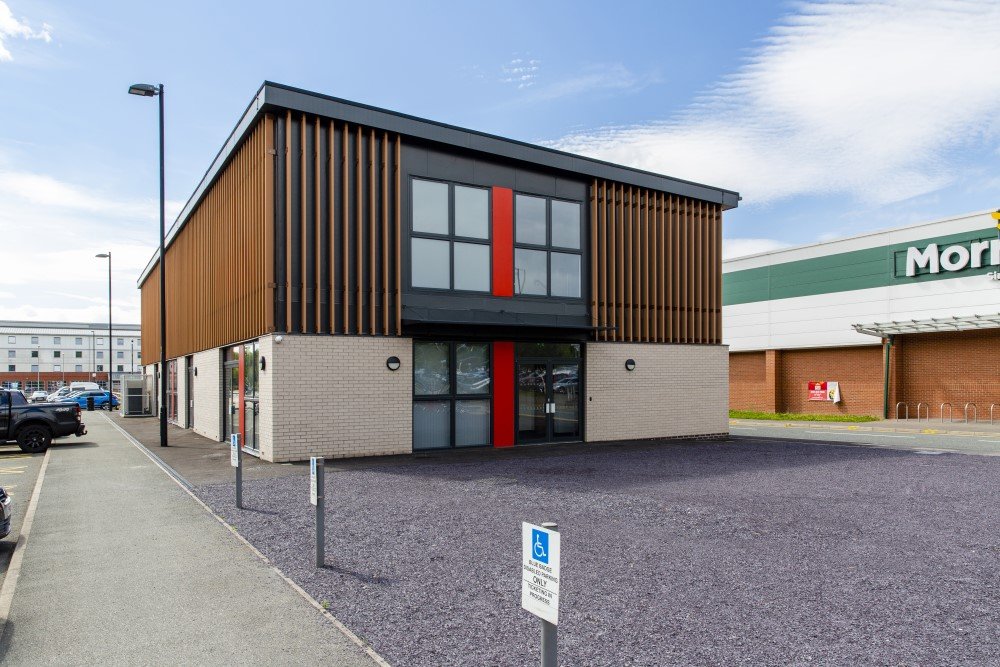
Pre-engineered modular sports halls and gyms deliver cutting-edge community facilities. Hybrid construction can pair prefabricated changing rooms with steel-frame arenas.
See case study
The Future of Prefabrication and Modern Methods of Construction
The future of prefabrication is tied to innovation:
- Digital design integration: BIM and AI-driven modelling help detect clashes, improve efficiency, and support lean manufacturing in factory environments.
- Sustainability: Greater use of recycled materials, renewable energy, and circular construction.
- Growing trend: Prefabricated homes, schools, and hospitals are expected to make up a larger share of UK construction projects.
- Design possibilities: Bespoke prefab designs increasingly rival traditional construction aesthetics.
As the construction industry continues to evolve, modern prefab will be central to delivering cost-effective, sustainable, and future-ready buildings.
Prefabricated Buildings for Decision Makers
This guide to prefabricated buildings demonstrates that prefabrication is not a secondary option but a core construction method for the future.
From prefab homes and modular buildings to large-scale healthcare, education, and commercial projects, prefabricated construction offers speed, certainty, and sustainability, without compromising on compliance or quality.
For executives tasked with delivering projects on time, on budget, and to rigorous standards, prefabricated buildings provide not only a solution but a strategic advantage.
Modulek’s unique hybrid construction method shows how prefabricated buildings can be tailored to suit every need. Whether it’s a facility that must integrate seamlessly with an existing traditional build, or a new structure connected to a pre-engineered steel frame
sports hall, our hybrid modular solutions are designed with flexibility in mind. From concept to completion, our team of experts work with you to ensure every project delivers on speed, compliance, and sustainability, without compromising on quality.